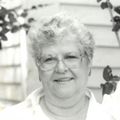
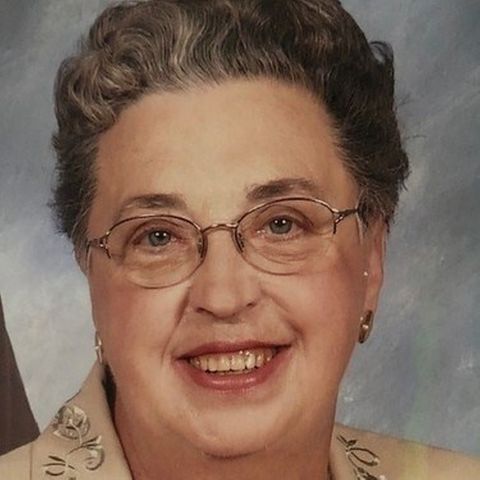
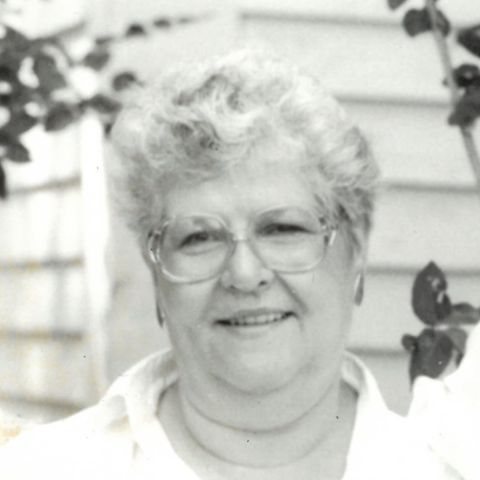
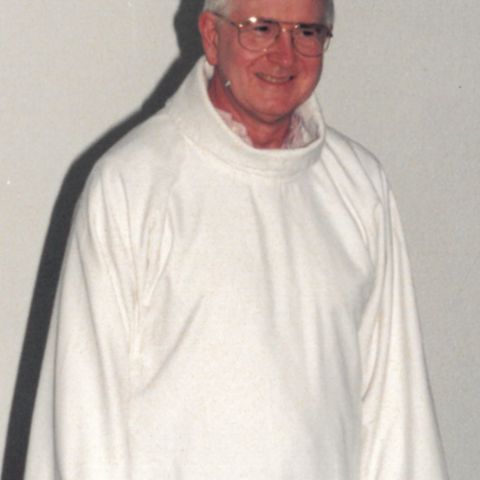
Marion Kuklewicz (1932-2017) of Turners Falls, MA
interview by David Nixon 3-1-1994; Tape 9 of 16; TAPE 2 OF 2 –
Edited by Pam Hodgkins 6/12/2025 and Jeanne Sojka 8/4/2025
Marion: During the time of the Depression, by then, you have to remember that my father had now purchased three farms. So he had quite a bit of acreage, quite a lot of wood lots, whether it was lumbering and so forth to do. Also there was tobacco growing was expanded.
He was really into produce heavily. Onions and potatoes were two major crops. And of course you had your farm crops that you had to grow, your corn, your hay, and things to feed the animals.
So even though he had five sons and five daughters and we all worked on the farm, we needed extra help too. So what he would do is, it’s kind of strange that I happen to live in this little town of Turners Falls now, but he came to Turners Falls and he looked for young men who were out of jobs, or their fathers might have been out of jobs, but they had young, strapping young men. And he would offer them a place to sleep, three meals a day, and a small pay if they would come and do farm work.
And many of them did, and they would come, very often they would come and stay like for a week at a time. And we had a fairly big house, but we didn’t have enough rooms for everybody. And I can remember them thinking it was so grand to sleep in the hay.
And they would sleep in the bottom of the hay, and my mother would cook for them, and they would come into the kitchen and eat with us. And we had to eat in shifts because the table wasn’t big enough for everybody. But my mother would do the cooking, and they would all come in and get hot breakfast to go out and work.
They would come in at noontime and it was always soup and whatever, maybe soup and bread and whatever she had for dessert at lunchtime. And then at night there was usually soup and hearty meat and potato here. And they would be happy to work all week long, and maybe just go home on Saturday night, go to church on Sunday morning, and Sunday evening they’d be back and they’d work all week.
And this happened all summer long. And we probably had about, probably six or seven young men who would come and work on the farm. They felt privileged to have a place to go to work.
The fact that they were able to get some hearty meals, you know, was important to them, because their folks were not able to provide this for them. They had no money. This was, you know, you have to remember now, this was before welfare, before food stamps, you know, before all those things.
So, if you wanted to survive, you had to work.
David: Now, were these other Ukrainian men?
Marion: They may have been Ukrainian, they may have been Polish, they might have been French. Whatever, whoever was Irish, whoever was willing to work, would come and work.
And, of course, by then, my father spoke fluently in English. He had become a citizen. He had a nice car.
Oh, that was another thing, he liked nice cars. He always tried to have a nice car. And, so, he was really, you know, he was pretty prosperous by then.
And, so, he would, you know, he would have these young men come. And, I guess, I guess that I need to backtrack a little bit and tell you that he knew some of these families, because when we lived in Montague, when my family lived in Montague, and he had a small dairy farm there, he used to sell milk, bottled milk. And, he used to sell it in Montague City in Turners Falls.
So, he knew some of these families. Earlier, you had commented that you had done some work down at the Patch. And, a lot of these young people that he had working for us came from that section of town, from the Patch, which was probably a settlement of Irish, Polish, French, Ukrainian settlers.
Uptown, uptown, up here on the hill, uptown, were more affluent people. The Anglo-Saxons, German people, the German population in Turners Falls, back in the early, late 1800s and early 1900s, was very, they were very affluent people. And, they had their houses up in this end of town.
But, if you lived down at the Patch, then you were, you were less wealthy. Maybe laborers, as opposed to landowners, or shopkeepers, or, you know, factories. They might have been factory workers, that type of thing.
So, this was the area that he would get, he would gather the boys from, and then bring them home. And, they would work on the farm, and as I say, come back just on the weekends, probably just to spend Sunday with their family and come. And, this would be all during the summer months, when we had a lot of harvesting and such to do.
And, it seemed to be a good working arrangement for them. They were happy, they had a little pocket money, or money they could bring home to their family. They were being well cared for, they were well treated.
We used to laugh when we were kids, because my father was, as I told you, he was a perfectionist, he was a very determined man. The one shortcoming he had was that he was very ill. He had some real serious health problems, and he had a very short temper.
And, we didn’t like to make him angry. So, we always used to say, when he said to do something, you did it. You know, that old saying, when I say jump, you say how high.
Well, that was sort of the way we lived. If we had a task to do, we knew we had better do it, and do it properly, or we might have to take the punishment for it. And, he certainly wasn’t a man who beat us, or anything like that.
But, when he spoke, he spoke with quite an authoritative voice. And, you knew you could better mind your P’s and Q’s. So, there were no delinquent children.
There were no lazy children. There was no back talk. You know, you really towed the straight and narrow.
And, I think what I want to say, in summing that part of it up, is that we grew up with a very good set of values, I think, that we’ve tried to live by. One was that you don’t get anything for nothing. Nothing’s free in this world.
You have to work if you want things, and you have goals in life. You have to work for them. It doesn’t just happen.
We were never allowed to just sit around and play dolls, or whatever. You know, we just, we worked. You had your play time, but you also had your work time.
We were a typical farm family who all pulled together. Everybody did their fair share. We all shared in the joys, as well as the sorrows, the good things and the bad things.
We had a great respect for our family, and for our parents, and grandparents, and so forth. And, I guess the most important thing is that it instilled in us a good value system, and that as we grew up and became older and had our own families, we were taught that work never hurt anybody. That was the way you made your way in life.
You worked at whatever. You did the best job that you could in whatever you set out to do. You instilled in your family that not only was work important, but your religion was important.
Keeping up with that. And that material things were nice, but they were not the all-important thing. The important thing was to have family, to have love, a sense of community, a sense of belonging, and respect for people.
And I think that’s, I certainly know that’s the way I try to live, and that’s the goals that I instilled in my children. And that was the thing when I grew up and was married, those were the goals that my husband and I had set for us. That we had a strong, loving family.
We would strive to both work as hard as we could to give them more than what we had. And when I say more than what we had, I’m not talking about material things or a beautiful house. I’m talking about education.
The opportunity to better themselves, to become better people, to have more opportunity than we’ve had as youngsters. And have them go out into the world and say, you know, this is who I am. I’m a hard worker.
I’m not somebody who sits back and expects somebody to do for me all the time. I’m out here, I’m working, I’m doing my share, I’m carrying my load. And we’re very proud people.
And I think you’ll find when you deal with people of Ukrainian heritage, we are very proud, proud people. And work is ingrained in us. I think that stemmed back from, mainly from my father.
Not that my mother wasn’t a worker. My mother probably worked far harder than I’ll ever, ever work in my whole life. Because of all the conditions that she had to work under, which, gosh, were made so easy for us.
But, you know, I think those values were important. And, oh, I have to backtrack and tell you something real funny. My father was not only interested in amassing land.
He also, he kind of liked possessions, too. And one of his very favorite things that he went out and did one day, when he went out probably horse trading, that was another thing he liked to do. He bought my mother a washing machine.
My mother was the first person that I know in town that had a washing machine. And it was a gas-powered washing machine. And she used to have to use it outdoors, because the fumes would kill you if you used it inside.
And I can remember when I was just a little girl, my mother would have that washing machine out in the yard, and she’d be washing clothes, and it would be smoking, but she didn’t have to scrub those clothes by hand. So that, to her, was better than if you bought her a mink coat. But that just popped into my mind as I was talking about values and possessions.
But that was my mother’s one prized possession. And that was before we had electricity in the house, and before we had electric washing machines. And, God, my life was so easy with the electric washing machine and clothes dryer.
I didn’t have to go out and hang clothes on the line. But I can remember her, I can still see her out there washing clothes and hanging them out on the line. And by the time you got them out of the clothes basket, they were frozen.
And it’s such a vivid picture in my mind.
David: What happened after your father got the Blue House?
Marion: After he got the Blue House, well, I have to tell you, when we got the Blue House, it was orange. It was kind of a mustardy orange color.
What happened was, he spent quite a bit of time repairing it, and then, unfortunately, became very ill. He was very ill. My father had a real problem with ulcers and had several surgeries, and he was at the point where there was very little they could do for him.
So he was a young man, only his 50s, and he was very, very ill. So we got the Blue House. We fixed it up.
Some of the children were grown and gone on their own. Some were married. Some weren’t married.
Had a couple of brothers, three brothers as a matter of fact, who had left home and gone to work for big farms in Pennsylvania, big dairy farms in Pennsylvania. I had two sisters. Two sisters were married from that house, and a brother while my father was still alive.
By then, our basic life was the dairy farming and tobacco producing and potatoes. We had sort of stopped growing onions at that point in time. So those were the major things, and he worked as hard as he could, although at that point in time he was not able to work as hard as he had because his health was so bad.
And I can remember the year before he died, as a matter of fact, he took my mother on a trip. We laughed because we called it the honeymoon. It was the first time that he had ever left the farm since he started out as a young man.
It was the first time he ever left the farm to take a vacation. And he took my mother to Pennsylvania, to Shenandoah, Pennsylvania, where a lot of my grandfather’s relatives were. Her relatives, but my grandfather’s side of the family were.
And they took the bus, and they went on a bus trip, which was far different from the bus trips we have now. But they went to Shenandoah, and they got there. And my mother had always talked about her Shenandoah relatives, like, you know, wow, they have a real special life down there and everything.
And they didn’t work as hard as she did in the farms. Well, she had a surprise when she got there because they’re basically coal miners. And in the coal mining district, it’s not really very clean.
And she said she remembered one of the aunts saying to her that when she got off the bus, Julie, you must be very tired. Let me run you a hot bath. And she said, and then I looked at the water, and it was black.
And she was, this was in the 40s, she was really quite surprised to see that they didn’t even have real clean drinking water like we have here. So it was quite a shock to her. She had expected to see things much grander than they were at that point in time there.
So that was their first trip that they took. And then came back, and my dad got very, very ill and passed away the next year in October. He was slated to have more surgery for his ulcers.
And the doctor that he went to said that he refused to do the surgery because they had become fast friends, and that he was sure that if he took him to surgery, he probably wouldn’t survive it. So he had to go home and just make the rest of his days, which he did, and unfortunately did not live through this last siege that he had. And so my mother was left, you know, as a young widow.
He was 54, so she was 54, 56. So she was barely out of her 40s.
David: What year was that?
Marion: I believe it was 1936.
1946. Right after the Second World War. Yeah, very shortly after the Second World War.
And then I had two brothers who were home at the time, and they sort of were helping, you know, with the farming and so forth. In fact, my youngest brother was only 16 at the time. No, he wasn’t even 16.
He was 15 at the time. And he quit school to come work on the farm. He had to give up going to school.
My sister and I were in school. In fact, I was in junior high school when my father died. And my sisters and I were back in school at the time, and my brother had to quit school.
And he wasn’t too upset about that because he really wasn’t a very good student as far as reading and writing and arithmetic was concerned. But boy, those teachers took advantage of him for all the things he could do. He used to spend a lot of time working on their garden tractors, doing mechanical work for them and so forth.
So he would have been fine in trade school, but reading and writing didn’t mean much to him. So he was just as happy to be out of school and working on the farm. And then the older one of the two boys that was home had some problems with his health, his back and so forth.
And so along about that time, two of my older brothers returned from Pennsylvania and came home. One came as a single man, and the other one came with a family of two or three children. And so what happened was the brother that was married but had children came.
Well, he came before my father died, don’t worry about it. He came back over. It was right after World War II because during World War II, he didn’t work as a farmer in Pennsylvania.
He worked in a defense plant. And he came back home, and he and his family lived in one of the houses that my parents owned. It was just before my father died, as a matter of fact.
And then I think after my father died, my brother Andy came back home and helped out on the farm. And eventually my two brothers, my brother Andy and my brother Tom, took over the farm from my mother. And then they started farming.
And by then, my brother had left and went to Pennsylvania and was remarried, because he had been there a very short time. He went to Pennsylvania, worked, and got remarried. And then my older sister, the one of my older sisters that was home, got married and left.
My younger brother got married, and so it was just my youngest sister and I that were left at home with my mother. And that was when my brothers took over the farm. And my mother had an agreement where she actually sold it to them, and they had a plan worked out that they could pay for this.
And actually my sister and I still owned it, because we, I think my brother, my sister and I still owned the share in it, because we were under 21 at the time. So it wasn’t until after we turned 21 that we gave the farm share to my brothers, who were, at that point, they were responsible for my sister and I to see that we finished school and to help my mother with support and so forth for us. And then their agreement was that they would pay so much towards the farm each year and to support my mother paying the bills and so on and so forth.
Because though my father became a citizen, he always was a self-employed person, so he had no Social Security benefits or anything like that. And God forbid you didn’t go on welfare or anything, uh-uh. No, no, that was a no-no, you were too proud for that.
So that was sort of the way things worked out for her. And she stayed, we stayed in the house. I was married, I came to live, actually, I was married and I brought my husband to live at home with my mother so that we could help, we could help to take care of the house and take care of her.
But we only stayed with her for about a month, and then we got an apartment here in Turners Falls and then on our own, because by then one of my older sisters and her husband were having some problems, not marital problems, he was not well, and she had three children. So she came and lived in the big house with my mother, and her husband spent quite a bit of time in the hospital. And then my younger sister was married, two months after I was married, my younger sister got married and moved away because her husband was in the service, so they moved away and my other sister came back and stayed at home.
So we, you know, like I said, we were always a close family. When somebody was in need, we were always there for them. And she was the one who needed to be with my mother so my mother could help her with the children, and my sister could go to work to support her family because her husband was not able to work at that point in time.
And so, you know, it just all worked out. And then eventually, when my sister’s husband got out of the hospital and was well enough to work again, they took an apartment, and eventually my mother came and stayed with me. She stayed here with me for a while.
She was quite ill by then, and she stayed with me. I was the only one of the girls who was not working a full-time job at the time. I was home raising my children, so she came to me.
I had three children at that point in time, and she came and stayed with me. And I took care of her, nursed her through some of her illnesses and all. And that was a really good experience for me.
I really enjoyed being able to turn the tables and be her caretaker because of all the caretaking she had done for all of us. And then she became really, really ill, and after that it was difficult for her to come back here with the children. She couldn’t tolerate that.
So then she stayed with another sister for a little while and then went to a third sister. I mean, she kind of took her time with all this. And she passed away in 1964.
David: Okay. We have a little bit of business before we turn that off.
Marion: Oh, okay.
David: I guess the first thing is, do you mind having this tape and the other tape that we started on, do you mind us using that at PVMA?
Marion: No.
David: Is there anything on this tape that you don’t want people to hear?
Marion: Not particularly. Okay.
David: We’ve been talking together. This is the second tape of two tapes. My name is David Nixon, and this is Marion Kuklewicz.
We’re at 22 Worcester Avenue in Turners Falls, Massachusetts. And today is the 1st of March, 1994. Thank you.
Okay. Thank you very much.