During the early 1840s, the United States became more industrialized. Beginning in the Northeast, the railroads opened new markets and raw materials could be shipped in larger quantities to more places. Industrialization and urbanization was, in many cases, intrinsically linked. Improvements in machinery cause an increase in the number of mills and factories. This, in turn, fueled a building boom turning some small towns into burgeoning cities.
Communication via telegraph served to knit the new nation together. Expositions in Philadelphia in 1876 and Chicago in 1893 served as showcases of progress.
Much of the early industrial development began in the Northeast because of its ready work force, adequate natural resources, and established industries. New England became known for its textile and paper mills, and straw-hat, shoe, and tool and die manufacturing. In Western Massachusetts, mills and factories were built along the major rivers: the Connecticut, Green, Millers, Deerfield, and Westfield. Factories that produced cutlery, machinery, paper, and textiles were the predominant industries in the Connecticut River Valley. Huge machines such as the Corliss Steam Engine (built in Connecticut) fueled industrial growth. They were able to produce vast amounts of energy, far more than the earlier waterpower technology.
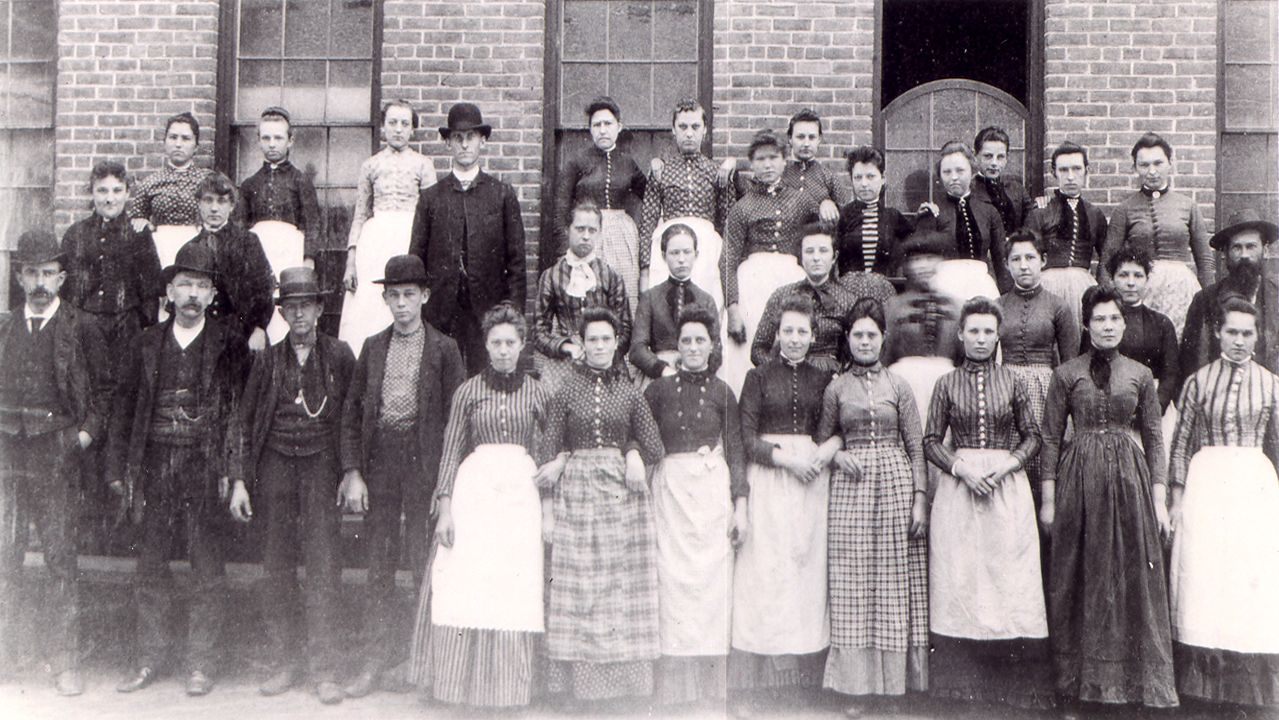
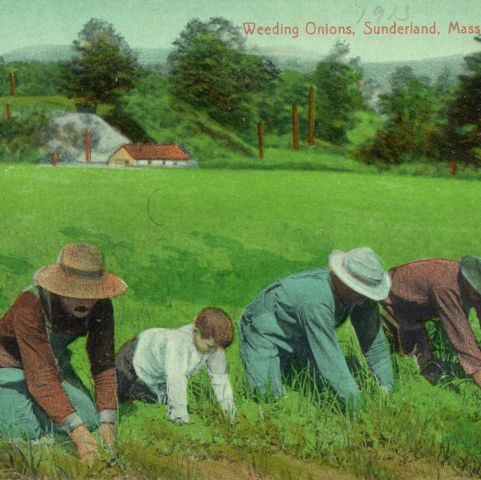
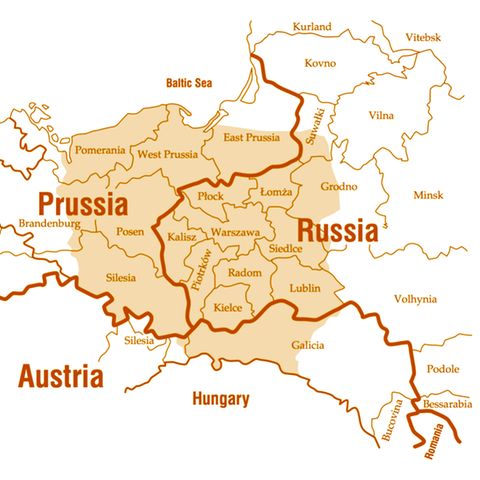
During the 1800s, the agrarian roots of the country were giving way to those of industry, and social stratification became readily apparent. At one end of the economic spectrum were the industrial giants, capitalists who created banks, railroads, and new markets for commerce. At the other end were the factory workers, servants and farmers, a large portion of whom were immigrants from Ireland, Scotland, and later Poland. The importance of maintaining the American democratic ideal (each individual has an opportunity to enjoy the fruits of his/her society) became an issue. Reform movements emerged as immigrants, women, and people with African heritage struggled to obtain rights and reasonable working conditions while they labored to develop an unsurpassed industrial society.